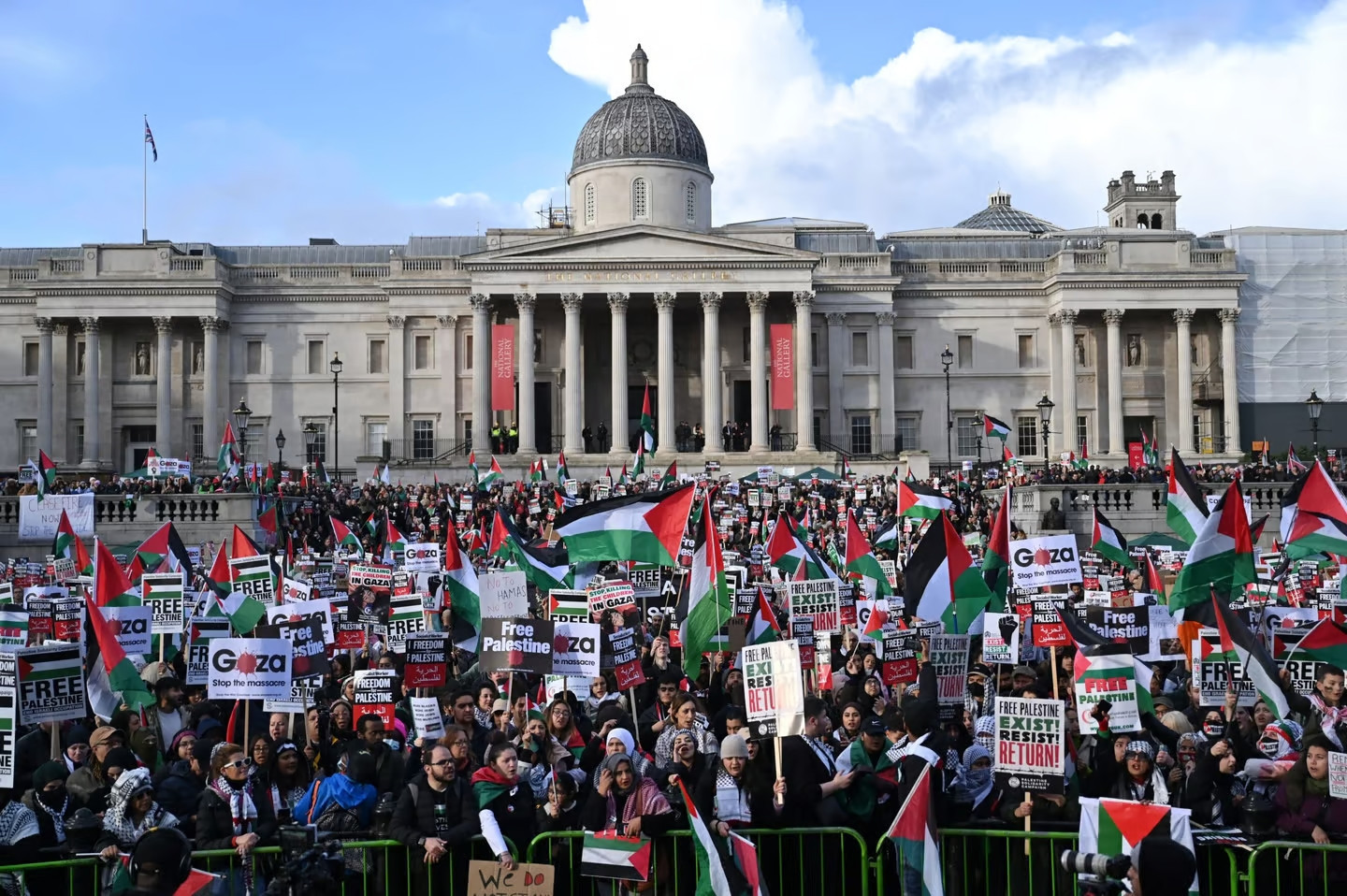
In Latin America, the Palestinian diaspora has been an example of hard work, identity, and commitment to the national cause. However, today it finds itself divided between two structures of representation: one linked to the Palestinian National Authority (PNA), born from the Oslo Accords; and the other, independent and faithful to the historical principle of the total liberation of Palestine. This division is neither accidental nor minor: it expresses the same dilemma that our people have faced for three decades.
The first current, aligned with the PNA, acts as a diplomatic extension of a power without sovereignty. It seeks political recognition, maintains protocolary ties with embassies, and repeats the discourse of the “two-state solution,” even though that project has been buried under colonial expansion and the ongoing genocide. Its role, though presented as “institutional,” has ultimately served to legitimize the occupation and silence the voice of a diaspora that demands justice, not concessions.
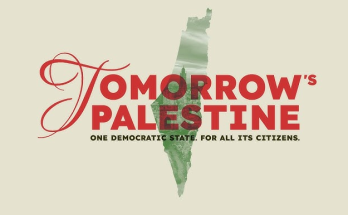
The second current, represented by the popular movements and committees that remain faithful to the memory of the resistance, recognizes no authority emanating from Oslo nor accepts the framework imposed by the colonial powers. This current does not speak of coexistence under apartheid, but of the complete liberation of all Palestine, from the river to the sea, in a single, democratic, and decolonized state.
The Palestinian diaspora in Latin America cannot stand idly by and watch the moral collapse of a leadership that has lost its way. Our historical responsibility is to keep alive the authentic representation of the Palestinian people, free from all tutelage and submission. We are not diplomatic extensions of a tutelary power; we are the living continuity of a people in exile who do not renounce their land, their identity, or their right of return.
The future of the Palestinian cause will not be decided in offices or empty summits, but in the conscience of the communities scattered throughout the world.
And Latin America, which has always been a refuge and voice for oppressed peoples, has a moral obligation to support the independence of a Palestinian representation free from Zionist control and all structures imposed by the occupation.
The time has come to unite all Palestinian forces in the diaspora, without conditions, without exclusions, and without personal agendas.
Only sincere unity—based on the principles of return, resistance, and justice—can restore our people’s historic role in the struggle for the total liberation of Palestine.
Because Palestine does not divide, it unites and liberates.
Palestinian Union of Latin America – UPAL
October 31, 2025