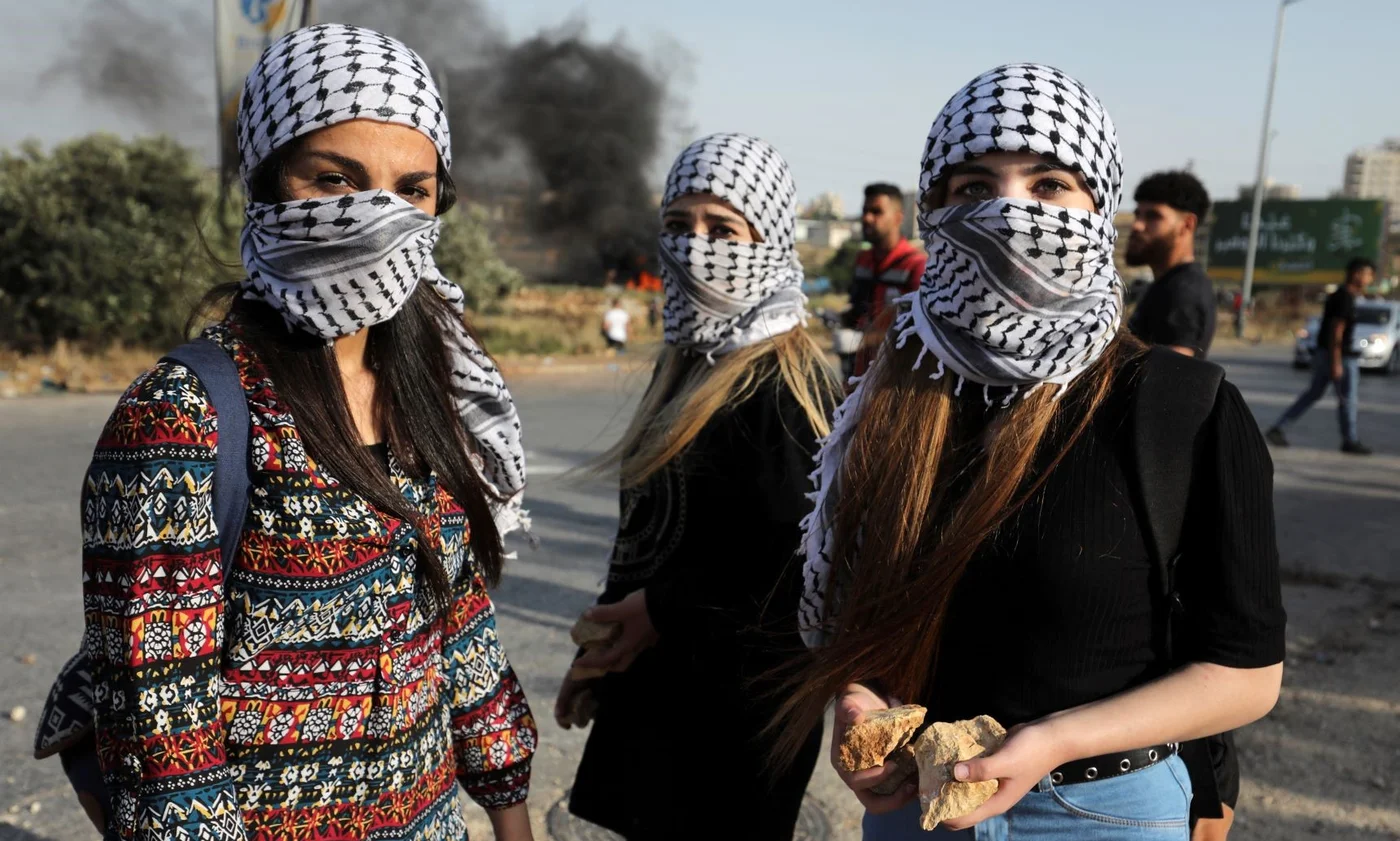
Palestinian women masked with traditional keffiyeh near Ramallah in the occupied West Bank (AFP/Abbas Momani)
By Wisam Zoghbour, from Gaza
On 26 October each year, Palestine and the world celebrate the National Day of the Palestinian Woman, a date that goes beyond symbolic commemoration to become a moment of reflection on a long path of struggle and resistance. On this day, Palestine remembers the faces of the women who carried the homeland in their hearts, who embroidered their stories into traditional dresses, and wrapped their pain in black and red scarves — the keffiyehs — which have become banners safeguarding memory from oblivion.
The Palestinian woman has never been a mere witness to history — she has been at its very core. She has embodied both motherhood and resistance, tenderness and steadfastness, offering the world a unique human model in the face of oppression and occupation. She has shattered the stereotypical image of women in conflict zones, becoming a universal symbol of resilience and dignity, condensed in the keffiyeh — that simple piece of cloth transformed into an icon of resistance that transcends borders.
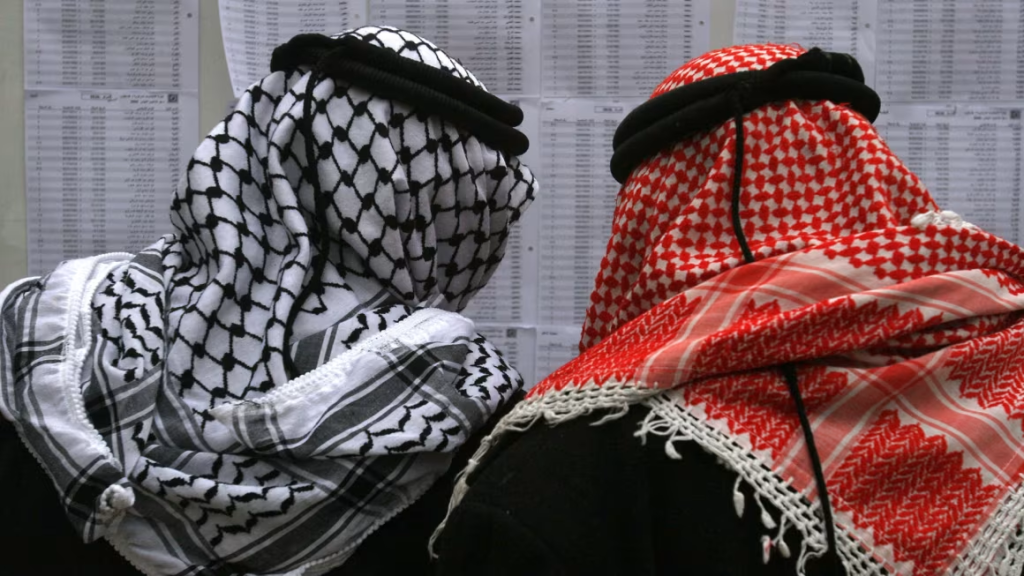
The colours of the Palestinian keffiyeh are not mere aesthetic adornment, but a language of identity:
- Black represents roots and steadfastness;
- Red symbolises the blood of the martyrs and sacrifice.
Between these two colours stretches the story of a people writing their destiny with blood and hope.
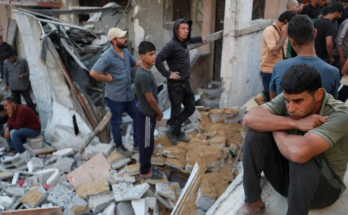
In Gaza, during the genocidal war that has lasted for more than seven hundred days, the Palestinian woman stands at the centre of the scene. She has faced bombings, hunger and displacement, yet has remained firm — carrying both her children and her homeland, transforming pain into an act of resistance. She has not been merely a victim, but a protagonist in the battle for survival. From amid the ruins, she has risen to declare that femininity is not weakness, and that dignity cannot be buried beneath the rubble.
From the womb of suffering, the Palestinian woman has redefined the meaning of resistance. She has turned survival into a political act, motherhood into a silent form of struggle, and the details of daily life — bread, water, milk — into new fronts of resistance.
On the National Day of the Palestinian Woman, we do not celebrate her merely as a symbol, but as a living force that has redefined the concept of human struggle. She is not “half of society”, as it is often said — she is its beating heart, preserving the taste of memory, the meaning of life, and the traces of the homeland.
The keffiyeh, the embroidered dress, and the hand that writes on walls or plants in the soil are all expressions of a resilient femininity that knows no defeat.
She is the beginning and the end, the cry and the prayer, the certainty that freedom has a female face — and that face shall never be conquered.
Text edited by Alexandre Rocha